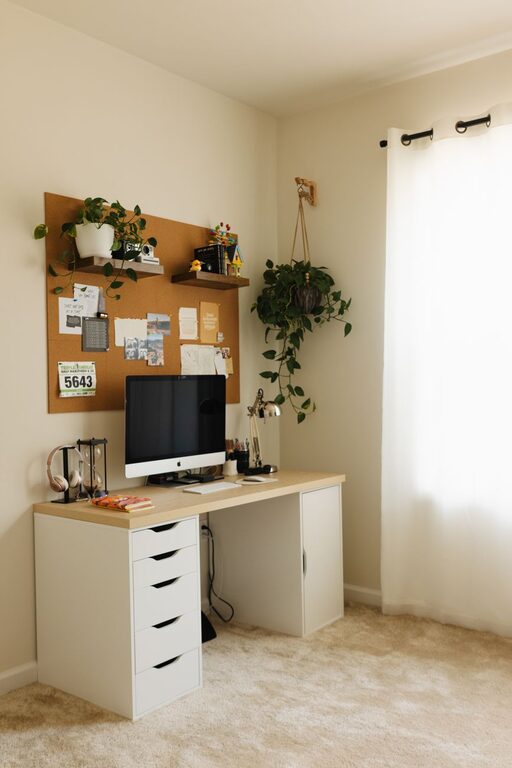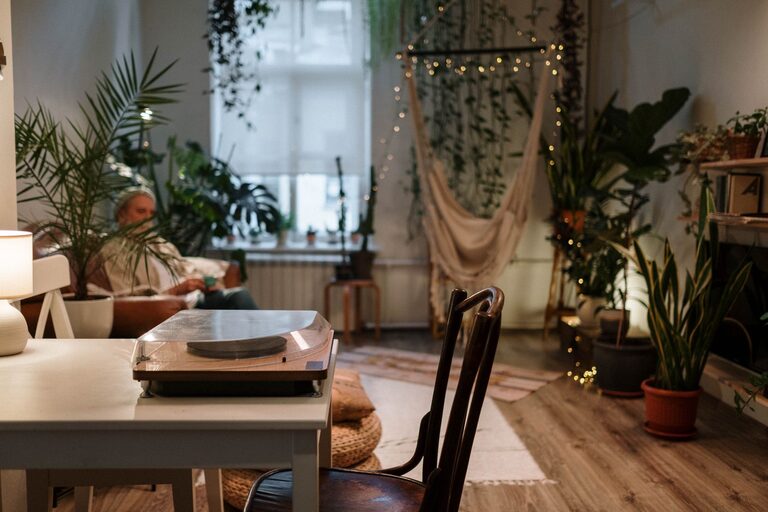
Working from home has become a common part of many people’s lives. Whether you’re freelancing, running your own business, or connecting with an office remotely, having a productive home office environment is crucial. A well-designed workspace helps improve focus, reduce stress, and maintain a healthy work-life balance. In this post, we’ll explore practical tips to create an efficient and enjoyable home office.
Choose the Right Location
Selecting the best spot for your home office sets the foundation for productivity. Ideally, pick a quiet area with minimal distractions. If possible, avoid high-traffic spaces like the kitchen or living room. Natural light is a bonus—it can elevate your mood and reduce eye strain.
Consider Dedicated Space
If you have the room, dedicate a specific area just for work. It doesn’t have to be a separate room, but having a defined boundary between work and home life helps your brain switch gears more easily.
Invest in Comfortable and Functional Furniture
Comfort plays a huge role in sustaining productivity. A supportive chair and properly sized desk can prevent aches and keep you focused for longer stretches.
– Ergonomic Chair: Choose a chair that supports good posture with adjustable height and backrest.
– Desk Height: Ensure your desk allows your arms to rest at about a 90-degree angle while typing.
– Standing Desk Option: Consider a sit-stand desk or converter to vary your position throughout the day.
Optimize Lighting
Good lighting reduces eye strain and creates a pleasant atmosphere. Try these tips:
– Position your desk near a window for natural light without screen glare.
– Use adjustable lamps or overhead lights that mimic daylight.
– Avoid harsh fluorescent lights; opt for warm white LEDs instead.
Organize Your Workspace
A clutter-free desk helps clear your mind and improve efficiency.
Declutter Regularly
Remove unnecessary papers, devices, and items not related to your current tasks.
Use Storage Solutions
– Shelving units or filing cabinets to keep documents tidy.
– Desk organizers for pens, notebooks, and accessories.
– Cable management tools to reduce tangles.
Minimize Distractions
Home offices often come with distractions like household chores, family members, or pets. Managing these is key.
– Set clear boundaries with those around you during work hours.
– Use noise-canceling headphones or play background music if it helps concentration.
– Turn off non-work-related notifications on your devices.
Personalize Your Space
Adding personal touches can make your home office inviting and inspiring.
– Display meaningful photos, artwork, or plants.
– Choose colors that are calming or energizing to you.
– Keep a small collection of favorite books or motivational quotes nearby.
Establish a Routine
Creating and sticking to a daily routine signals your brain that it’s time to work.
– Set consistent start and end times.
– Take regular breaks to stretch and rest your eyes.
– Plan your tasks ahead to stay organized throughout the day.
Utilize Technology Wisely
The right tools can enhance productivity, but too many gadgets can also cause distractions.
– Use apps for task management and time tracking.
– Keep your computer and software updated for smooth operation.
– Try to limit multitasking by focusing on one task at a time.
Prioritize Comfort and Well-being
Your physical and mental health impacts your work quality.
– Maintain a comfortable room temperature.
– Keep water and healthy snacks nearby.
– Incorporate short movement breaks or quick exercises.
Final Thoughts
Creating a productive home office environment is about balancing comfort, organization, and focus. With thoughtful choices in your workspace design and habits, you can enjoy a more efficient and fulfilling work-from-home experience. Start small by improving one aspect today, and watch your productivity grow over time.
About the Author